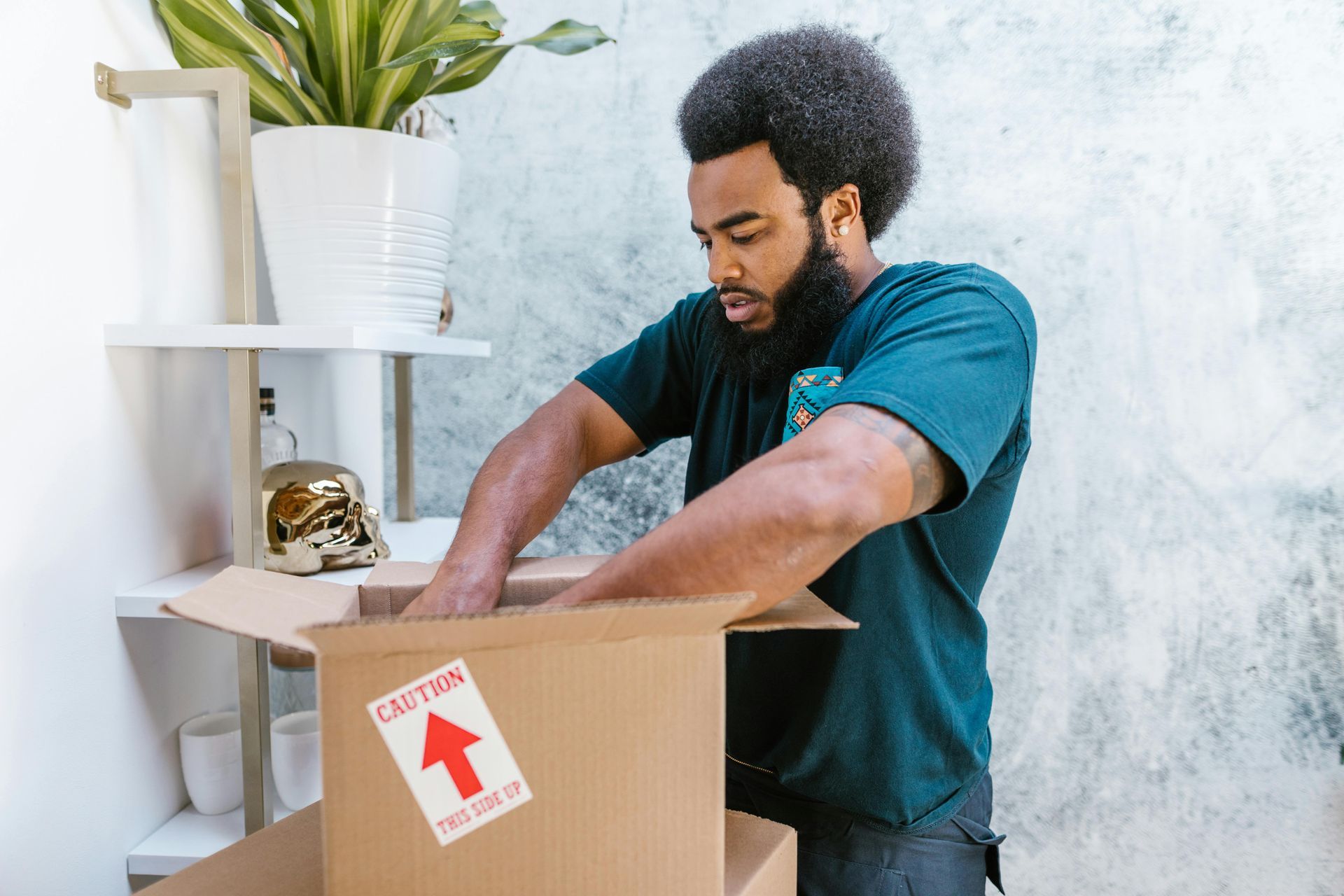
10 Essential Packing Tips from North Carolina Movers
Moving to a new home in North Carolina can feel overwhelming, especially when you're staring at rooms full of belongings that need to be packed safely and efficiently. Whether you're relocating within the state or moving to North Carolina from another location, proper packing techniques can make the difference between a smooth transition and a stressful experience filled with damaged items and last-minute scrambling. Professional moving companies in North Carolina have developed these ten time-tested strategies through years of helping families and businesses relocate successfully across the Tar Heel State.
Key Takeaways
- Start early: Begin packing non-essential items 6-8 weeks before your move date
- Follow weight limits: Keep boxes under 50 pounds for safe handling
- Use quality materials: Invest in sturdy boxes, proper tape, and adequate padding
- Label strategically: Include room destinations, contents, and handling instructions
- Pack room by room: Maintain organization and reduce stress with a systematic approach
- Protect valuables: Use specialized techniques for fragile and high-value items
1. Start Packing 6-8 Weeks Before Moving Day
Professional movers recommend starting the packing process 6-8 weeks before your moving date. This approach prevents the common mistake of leaving everything until the last minute, which often results in hasty packing that increases the risk of damage.
Effective timeline breakdown:
- 6-8 weeks before: Begin with storage areas like attics, basements, and closets
- 4-6 weeks before: Pack seasonal items, books, and decorative objects
- 2-3 weeks before: Focus on non-essential clothing and kitchen items
- 1 week before: Pack remaining items except daily essentials
- Moving day: Pack toiletries, medications, and immediate needs
Starting with rarely used areas like attics and guest rooms provides a safe space to stack packed boxes while keeping them out of your way during daily routines. Carolina area moving services consistently report that clients who follow structured timelines experience less stress and fewer broken items during their moves.
2. Follow the 50-Pound Weight Rule
The 50-pound rule is widely accepted because it balances efficiency and safety, helping prevent back injuries and box failures. Proper weight distribution prevents injuries and makes handling easier for both you and professional movers.
Weight management strategies:
- Use small boxes for books, tools, and heavy kitchen items
- Reserve large boxes for lightweight, bulky items like linens and pillows
- Mix heavier items with lighter ones when necessary
- Test lift capability before sealing boxes
Box size and weight recommendations:
| Box Size | Ideal Contents | Weight Limit |
|---|---|---|
| Small (1.5 cubic feet) | Books, tools, small appliances | 30-35 pounds |
| Medium (3 cubic feet) | Clothes, towels, kitchenware | Up to 60 pounds |
| Large (4.5 cubic feet) | Bedding, pillows, lampshades | 31.5 pounds maximum |
| Extra-large (6 cubic feet) | Comforters, large pillows | Light items only |
3. Invest in Quality Packing Materials
The foundation of successful packing lies in using appropriate materials that can withstand transportation. Moving companies typically recommend keeping boxes to 50 pounds or less to ensure safe handling.
Essential packing supplies include:
- Various box sizes: Small boxes for heavy items, medium for general items, large for lightweight bulky items
- Specialty containers: Wardrobe boxes for hanging clothes, dish packs for fragile items
- High-quality packing tape: Professional-grade tape that won't fail during transport
- Bubble wrap: For protecting fragile and delicate items
- Packing paper: Clean wrapping paper for filling spaces and cushioning
- Permanent markers: For clear labeling and identification
- Plastic bags: For small parts, hardware, and potentially messy items
When considering what to know before moving to North Carolina, remember that quality packing materials are an investment in protecting your belongings.
4. Create a Comprehensive Labeling System
A detailed labeling system saves time during unpacking and helps movers handle boxes appropriately. Beyond simply writing the destination room, comprehensive labels help you prioritize which boxes to unpack first and locate specific items quickly.
Effective labeling components:
- Room destination: Clearly mark which room each box belongs in
- Contents description: List major items or categories contained within
- Priority indicators: Use colored stickers or numbers for unpacking order
- Handling instructions: Mark fragile items clearly on multiple sides
- Weight warnings: Label heavy boxes to prevent lifting injuries
Consider creating a master inventory list that corresponds with numbered boxes. This system proves valuable if you need to locate specific items before fully unpacking.
5. Pack One Room at a Time
Tackling your home systematically by focusing on one room at a time helps maintain organization and prevents the overwhelming feeling that comes from having partially packed boxes scattered throughout your house.
Kitchen packing considerations:
- Pack dishes vertically like records for better stability
- Wrap glassware individually and use cell dividers when available
- Pack small appliances in original boxes when possible
- Keep cleaning supplies separate and ensure lids are tightly secured
Bedroom organization:
- Use wardrobe boxes to keep hanging clothes wrinkle-free
- Pack shoes in original boxes or stuff with paper to maintain shape
- Roll clothing items to maximize space and minimize wrinkles
- Keep jewelry in small, clearly labeled containers
Moving companies that North Carolina residents trust often recommend completing one room entirely before moving to the next, as this approach provides a sense of accomplishment and maintains clear organization.
6. Protect Fragile Items with Proper Padding
Special care must be taken when packing items of significant monetary or sentimental value. Proper padding ensures fragile items don't come into direct contact with each other during transport.
Protection techniques for high-value items:
- Important documents: Pack in waterproof containers and consider carrying personally
- Electronics: Use original packaging when available, anti-static materials for components
- Artwork and mirrors: Wrap in bubble wrap, use picture boxes, mark fragile clearly
- Jewelry and collectibles: Pack in small, secure containers with adequate cushioning
- Family heirlooms: Consider professional packing services for irreplaceable items
For extremely valuable items, consult with your chosen North Carolina moving company about additional insurance options or specialized handling services.
7. Avoid Common Packing Mistakes
Understanding frequent packing errors helps you avoid costly mistakes during your North Carolina relocation.
Most common mistakes include:
- Overpacking boxes beyond weight limits: When boxes exceed safe weight limits, they become difficult to handle and may break during transport
- Insufficient padding and protection: Many people underestimate how much cushioning material they need, leading to items shifting during transport
- Poor box quality choices: Using worn cardboard boxes from grocery stores may seem economical, but these containers often fail under moving stress
- Inadequate labeling systems: Boxes marked only with room names provide insufficient information for efficient unpacking
- Mixing incompatible items: Combining heavy and fragile items can lead to damage or safety hazards
8. Consider North Carolina's Climate Factors
The unique climate and geography of North Carolina present specific challenges that affect packing strategies.
Climate considerations:
- Humidity protection: The state's humid climate can affect books, documents, and fabric items during transport and storage
- Temperature fluctuations: Moving from the mountains to the coast involves climate differences that may impact electronics and other temperature-sensitive belongings
- Seasonal factors: Summer moves require additional protection for heat-sensitive items, while winter relocations may need extra insulation for fragile belongings
- Geographic challenges: Coastal moves may require additional moisture protection, while mountain relocations need consideration for winding roads
9. Use Smart Packing Efficiency Techniques
Advanced packing strategies can significantly improve your moving experience while protecting your belongings more effectively.
Space optimization methods:
- Multi-purpose materials: Towels and linens can cushion fragile items while serving their normal function
- Color-coding systems: Assigning specific colors to different rooms makes identification quick and reduces confusion
- Inventory documentation: Creating detailed lists of box contents helps with insurance claims if needed and makes locating specific items easier
- Strategic packing order: Heaviest items go at the bottom, with weight decreasing toward the top
10. Prepare an Essential Items Kit
Pack a separate box containing items you'll need immediately upon arrival at your new home. This kit should travel with you rather than on the moving truck, ensuring access to necessities while you unpack.
Essential kit contents:
- Medications and basic first aid supplies
- Important documents and identification
- Change of clothes for each family member
- Basic toiletries and personal hygiene items
- Phone chargers and basic electronics
- Cleaning supplies for immediate use
- Toilet paper and paper towels
- Basic tools for assembly and setup
Movers that North Carolina families trust recommend keeping this essential kit accessible throughout the moving process.
Frequently Asked Questions
How far in advance should I start packing for my North Carolina move?
Begin packing non-essential items 6-8 weeks before your moving date. This timeline allows you to pack systematically and reduces the likelihood of damage from rushed packing.
What size boxes should I use for books and other heavy items?
Small boxes are perfect for heavy items because they fill up before becoming too heavy to lift safely. Large boxes should be reserved for lightweight, bulky items like pillows and linens.
Should I pack my own fragile items or let the movers handle them?
While you can pack fragile items yourself using proper techniques, many people prefer having professional movers handle valuable or extremely delicate pieces. Professional packers have specialized materials and experience with challenging items.
How should I label my boxes for the most efficient unpacking?
Include the destination room, a brief contents description, and priority level on each box. Consider using a color-coding system or numbered inventory list for better organization.
What items should I pack in my personal essentials kit?
Include medications, important documents, change of clothes, basic toiletries, phone chargers, and any items you'll need immediately upon arrival. Keep this kit with you during the move rather than loading it on the truck.
Final Thoughts
Successful packing requires planning, quality materials, and systematic execution, but the effort invested upfront pays dividends in reduced stress and protected belongings. By following these proven strategies from experienced North Carolina movers, you can approach your upcoming relocation with confidence, knowing your possessions are properly prepared for the journey ahead. Remember that professional North Carolina moving services are always available to assist with challenging aspects of your move, allowing you to focus on the excitement of settling into your new North Carolina home.
Ready for a stress-free North Carolina move? Contact CJ Moving Services today for professional packing assistance and reliable moving solutions tailored to your needs.
Reference:
https://ehs.unc.edu/topics/ergonomics/lifting-and-material-handling/